Enchanted Land: Creative Approaches for Modern Projects
Some concepts feel both timeless and infinitely adaptable. Enchanted Land is one of those ideas. It evokes a sense of wonder, mystery, and possibility without locking you into a single style or medium. Whether you are a designer working on a brand identity, a blogger planning a content series, an educator building a learning module, or a small business owner looking for a theme that resonates, Enchanted Land offers a flexible foundation. The key is to understand what makes it work and how to translate that into real, usable results.
What Makes Enchanted Land Distinct
Enchanted Land is not a rigid formula. It is more like a creative atmosphere. Think of it as a space where the ordinary meets the unexpected. It carries qualities of discovery, layered detail, and a gentle sense of narrative. Unlike purely fantastical themes that rely on dragons or fairy dust, an enchanted land feels grounded enough to be relatable. It might be a hidden garden, an old library with secret passages, a coastal village at dusk, or a forest where light filters through leaves in unusual ways.
What makes it useful across different fields is its balance between the familiar and the surprising. It does not demand disbelief. Instead, it invites curiosity. For a creator, that means you can use Enchanted Land as a lens to add depth to practical projects without losing clarity or purpose.
Creative Applications Across Disciplines
Enchanted Land can be applied in many ways. The medium changes the approach, but the core idea remains the same: create something that feels layered, inviting, and slightly mysterious.
Visual Design and Branding
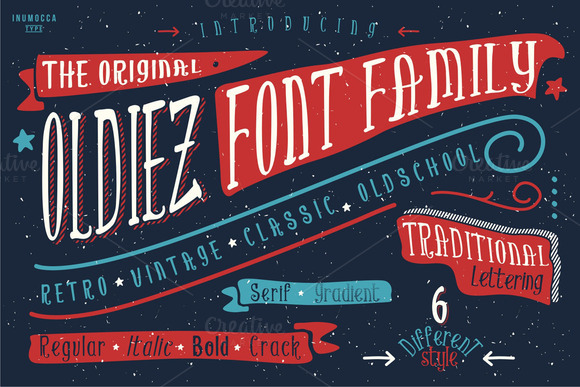
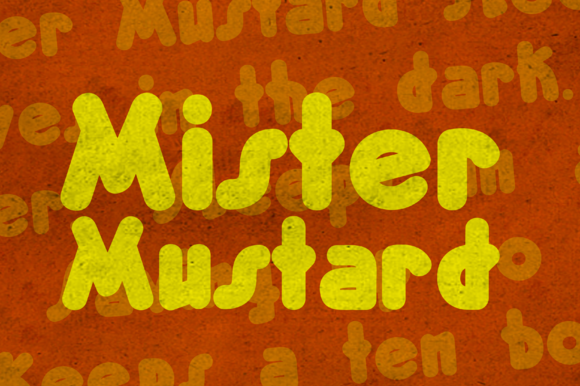
For designers, Enchanted Land translates well into color palettes, textures, and typography. Think muted greens, warm earth tones, soft gold accents, and deep indigos. Textures like weathered paper, stone, moss, or linen add tactile depth. Typography can lean toward serif or hand-drawn styles that feel organic rather than mechanical.
A brand built around an Enchanted Land aesthetic might use packaging that unfolds like a story, with hidden messages or illustrations inside. A skincare line could use botanical motifs and earthy scents. A tea company might name products after imaginary places and use illustrated maps on the boxes. The goal is to make the audience feel they have discovered something personal.
Content Creation and Storytelling
Bloggers and writers can use Enchanted Land as a narrative framework. Instead of writing a straightforward travel guide, frame it as a journey through hidden corners. Instead of a standard product review, present it as a discovery of something overlooked. This approach works especially well for lifestyle, travel, and culture content.
For example, a blogger covering local cafes could write a series called "Enchanted Corners," highlighting spots that feel tucked away or atmospheric. A parenting blogger might create a series of nature-based activities framed as small adventures. The enchanted land becomes a way to reframe ordinary experiences as meaningful discoveries.
Educational Materials and Workshops
Educators and trainers can use the concept to structure learning experiences. A workshop on creative writing might use an Enchanted Land setting to prompt sensory descriptions. A history lesson could be framed as an exploration of a lost world. Even corporate training can benefit when a dry topic is wrapped in a narrative that feels exploratory rather than instructional.
Practical implementation matters here. Keep the enchanted elements as a framing device, not a distraction. Use it to organize information into chapters or stages. For instance, a course on photography could be divided into "The Approach," "The Discovery," and "The Capture," each stage borrowing from the rhythm of exploring an unknown place.
Adapting Enchanted Land for Different Audiences
Not every audience responds to the same tone. Adapting Enchanted Land means adjusting its depth, detail, and emotional weight.
- For professional audiences (marketers, entrepreneurs, freelancers): Focus on the strategic value. Frame Enchanted Land as a way to differentiate a brand, create memorable customer journeys, or build loyalty through storytelling. Use terms like "experience design," "brand atmosphere," and "narrative architecture." Keep the language grounded but the examples vivid.
- For creative audiences (designers, artists, hobbyists): Emphasize technique and inspiration. Discuss color theory, texture layering, composition, and how to build a cohesive visual world. Offer concrete exercises or prompts. For example, "Create a mood board with five elements that define your version of an enchanted land."
- For general audiences (blog readers, customers, community members): Use accessible language and relatable examples. Avoid jargon. Focus on the feeling and the experience. Describe scenes or scenarios they can imagine themselves in. "Imagine a small shop where every shelf has a story."
Practical Approaches to Keep Work Clear and Consistent
When working with a concept like Enchanted Land, it is easy to get carried away. The goal is not to overwhelm the audience but to invite them in. Keeping your work effective requires a few deliberate choices.
Define Your Core Elements Early
Before you begin, decide what three to five elements define your version of an enchanted land. These might be a color palette, a texture, a type of light, a sound, or a recurring motif. Write them down. Refer to them as you work. This keeps the project cohesive without limiting creativity.
Layer Without Cluttering
Depth is what makes an enchanted land feel real, but too many details confuse the message. Introduce layers gradually. In a website design, that might mean a subtle background texture, a few interactive hover effects, and a hidden easter egg for returning visitors. In a piece of writing, it could be a secondary story thread or a repeated symbol. Each layer should serve a purpose.
Test for Clarity
Ask someone outside your field to look at your work. Do they sense the atmosphere you intended? Can they describe it in their own words? If they focus on the wrong details or feel confused, simplify. An enchanted land should feel inviting, not puzzling.
Variations and Styles to Explore
Enchanted Land is broad enough to support different interpretations. Here are a few directions that work well for specific goals.
- Rustic Enchanted Land: Focus on natural materials, worn textures, and warm lighting. Good for brands focused on sustainability, handmade goods, or slow living.
- Minimalist Enchanted Land: Reduce the palette to a few key colors and simple forms. Use negative space to suggest mystery. Works well for modern digital products, apps, or editorial design.
- Dark Enchanted Land: Use deeper tones, shadow, and contrast. Think moonlit forests or old libraries at midnight. Suitable for mystery novels, horror-adjacent content, or luxury products with an edge.
- Playful Enchanted Land: Bright colors, whimsical shapes, and interactive elements. Ideal for children’s content, educational games, or creative workshops.
Each variation keeps the core idea of discovery and wonder but shifts the emotional tone. Choose based on your audience and the outcome you want.
Realistic Examples of Enchanted Land in Use
Let me offer a few grounded examples that show how this concept translates into real projects.
Example 1: A small business selling handmade candles. Instead of naming scents "Lavender" or "Vanilla," they are named after imaginary locations: "Path Through the Moss," "Hour Before Rain," "The Forgotten Study." The packaging uses hand-drawn illustrations of botanical specimens and worn map edges. The website includes a journal section where the owner writes short reflections about each scent. Customers feel they are collecting stories, not just candles.
Example 2: A freelance designer creating a portfolio. The portfolio is organized as a series of "rooms" or "landscapes." Each project is a different area with its own atmosphere. The home page is a simple illustrated map. Clicking on a region leads to a case study. The designer keeps navigation intuitive but adds a sense of exploration. This approach helps them stand out in a crowded market.
Example 3: A content creator on social media. They create a series of short videos called "Enchanted Land at Home," showing how to style everyday spaces with moody lighting, natural objects, and layered textures. The content is practical but framed as small transformations. Followers engage because they can replicate the ideas easily.
Keeping Results Original and Audience-Friendly
Originality does not mean inventing something completely new. It means combining familiar elements in a way that feels personal. When working with Enchanted Land, avoid copying existing themes exactly. Instead, draw from your own experiences. What places feel magical to you? What objects hold memories? Use those as building blocks.
Audience-friendliness means respecting the viewer’s time and attention. Make your enchanted land easy to enter. Do not require backstory or prior knowledge. Let the atmosphere do the work. Use clear navigation, readable typography, and intuitive structure. The magic should be in the details, not in the barriers.
Finally, iterate. The first version of an Enchanted Land project might feel rough. That is normal. Refine the colors, edit the copy, adjust the pacing. Each pass brings the concept closer to a coherent experience. Treat it like tending a garden. Small, consistent efforts create something that feels alive.
Enchanted Land is not about escaping reality. It is about enriching it. Whether you design, write, teach, or build, this concept gives you a way to add depth and meaning to your work. Start small. Let the atmosphere grow naturally. Your audience will feel the difference.